The Art of Italian Charcuterie: What Goes Into a Perfect Board
Italian food is known for its simplicity, quality ingredients, and rich tradition. One of the best ways to experience this is through a charcuterie board. A well-built board brings together flavors, textures, and presentation in a way that turns a simple appetizer into something memorable.
At an italian restaurant marietta square, a charcuterie board is more than just a starter. It sets the tone for the entire meal and creates a shared experience at the table.
The Foundation of a Great Charcuterie Board
Every great charcuterie board begins with high-quality ingredients. In Italian tradition, the focus is always on freshness and balance rather than overcomplicating the plate.
The foundation usually includes a selection of cured meats and cheeses. These are chosen carefully to complement each other instead of competing for attention.
The goal is to create a board where every bite feels intentional and satisfying.
Selecting the Right Meats
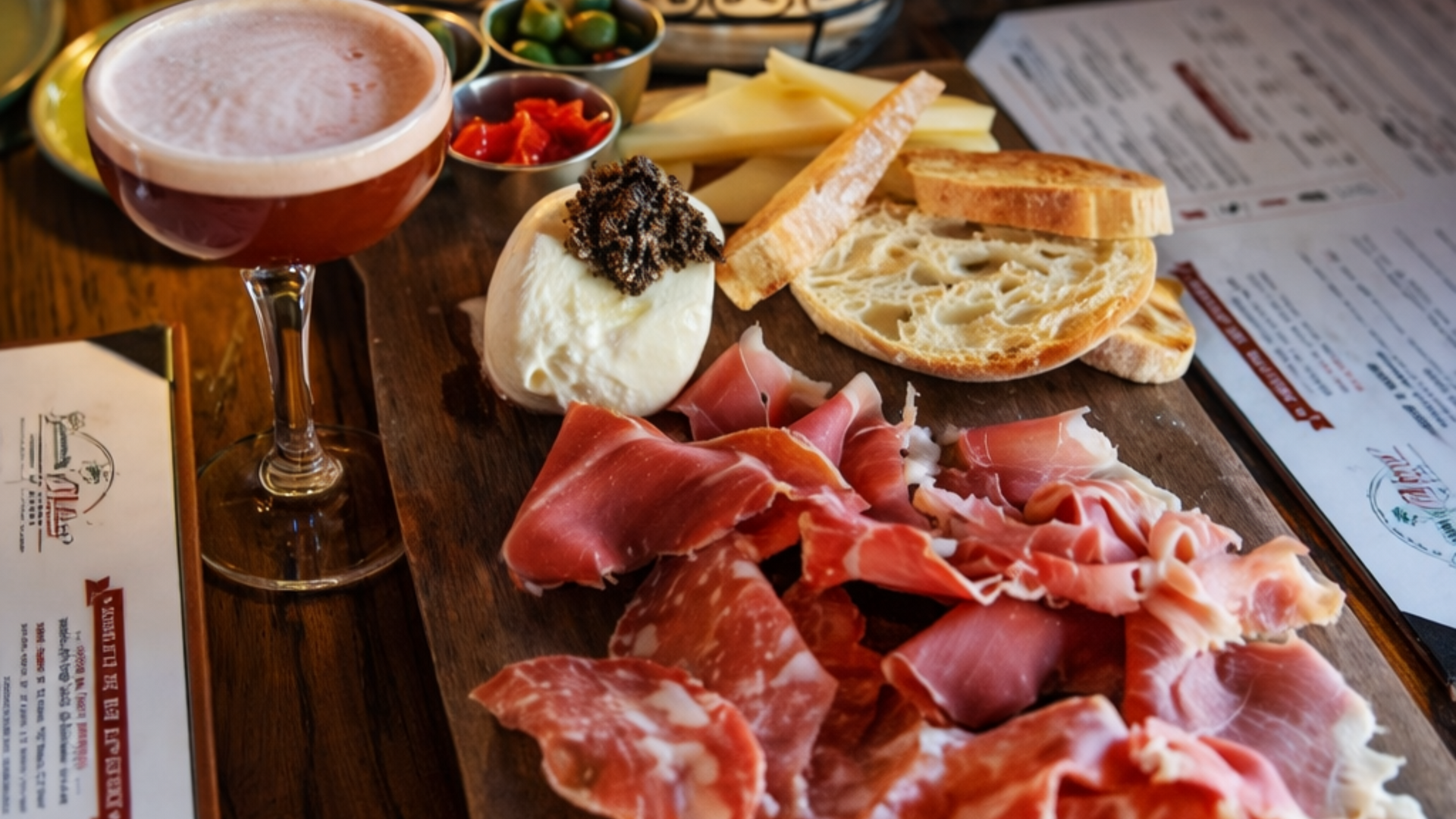
Cured meats are at the center of any charcuterie board. Italian selections often include prosciutto, salami, coppa, and mortadella. Each one brings a different texture and flavor.
Prosciutto is delicate and slightly salty. Salami adds a richer and more seasoned taste. Coppa offers a balance between the two, while mortadella provides a smooth and mild option.
At a restaurant level, these meats are sliced thin and arranged in a way that makes them easy to share. Presentation matters just as much as flavor.
Choosing the Perfect Cheeses
Cheese selection is just as important as the meats. A good board includes a mix of textures and flavors.
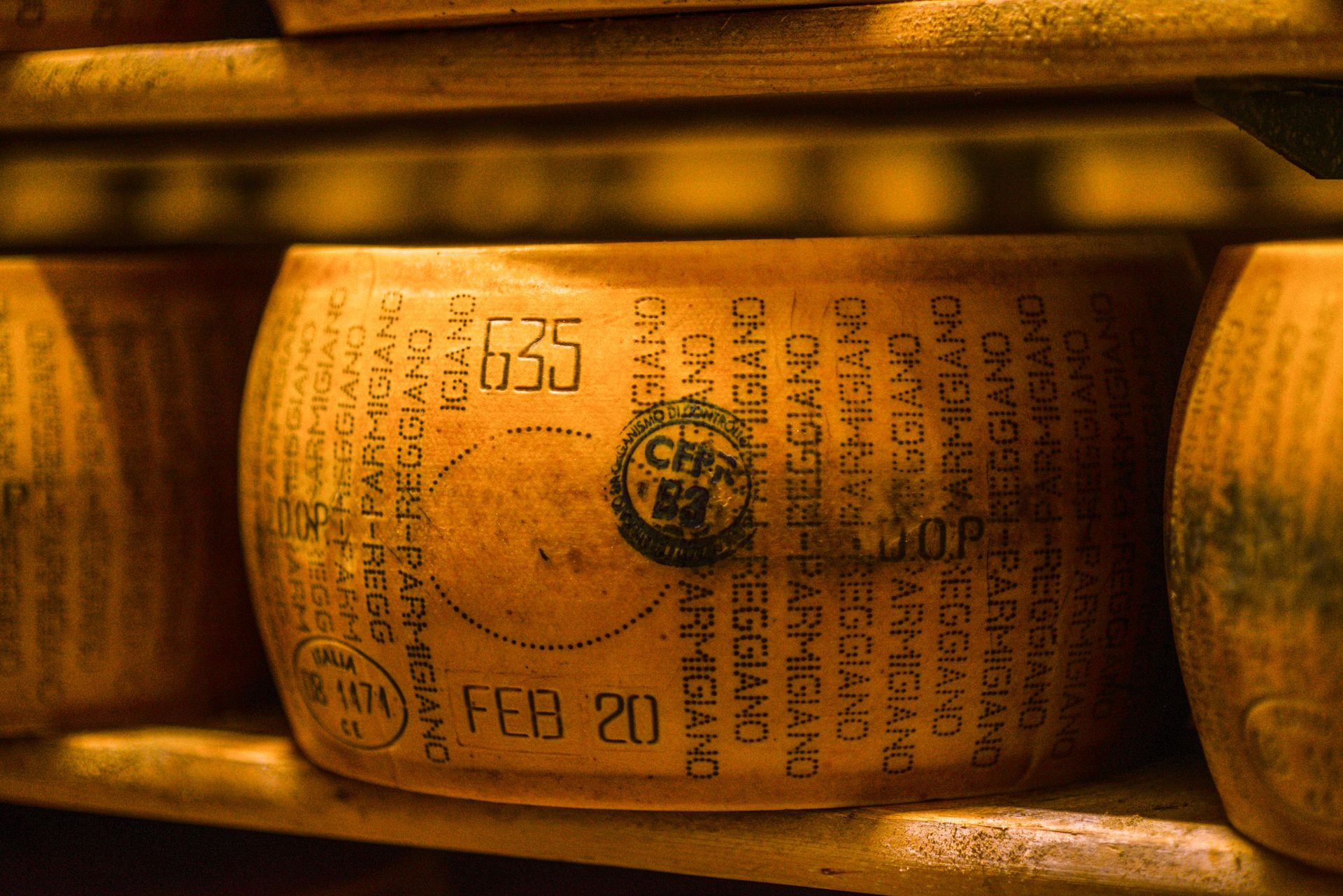
Soft cheeses like burrata or mozzarella bring a creamy element. Hard cheeses like Parmigiano add a sharp and bold contrast. A semi-soft cheese, such as taleggio or pecorino, creates balance between the two.
The combination allows guests to mix and match flavors, creating a different experience with each bite.
Adding Bread and Texture
No charcuterie board is complete without bread. Traditional Italian boards often include focaccia, ciabatta, or toasted crostini.
These provide structure and make it easy to build each bite. Bread also helps balance the richness of meats and cheeses.
Texture plays a big role here. A mix of soft and crisp elements keeps the board interesting and enjoyable.
The Role of Accompaniments
Accompaniments bring everything together. Olives, nuts, fruits, and spreads add contrast and enhance the flavors of the main ingredients.
Sweet elements like figs or honey balance the saltiness of cured meats. Pickled vegetables or olives add a sharp bite that cuts through richer flavors.
These small additions are what turn a basic board into something well-rounded.
Presentation Matters
A charcuterie board is meant to be shared, so presentation plays a major role. Ingredients are arranged in a way that feels natural but is still visually appealing.
At a restaurant like Gianni & Mac’s Ristorante Piazza Nostra, boards are crafted to look as good as they taste. The layout invites guests to explore different combinations and enjoy the experience together.
Why Charcuterie Fits the Italian Dining Experience
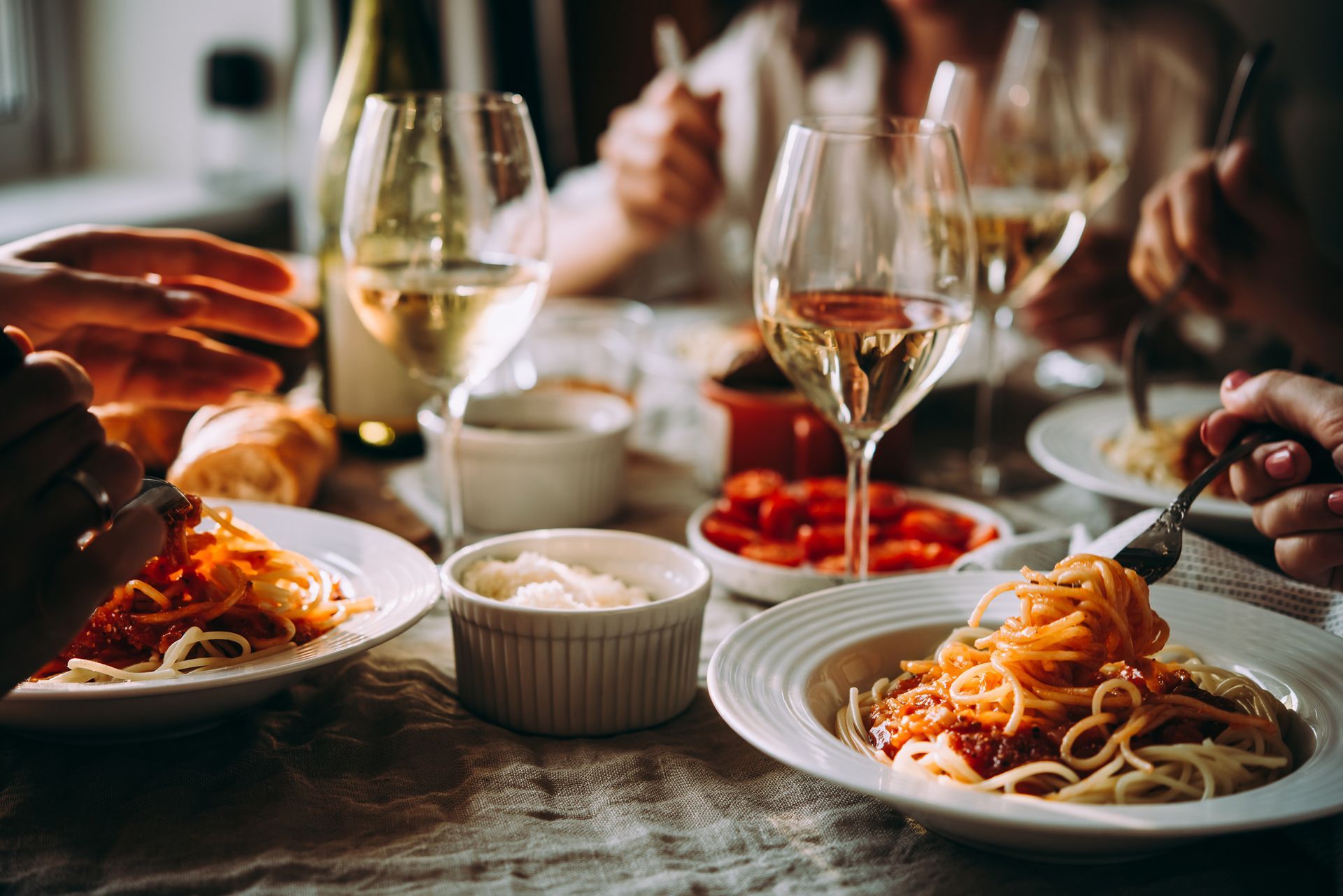
Italian dining is about slowing down and enjoying the moment. A charcuterie board encourages conversation and sharing, which makes it a perfect start to any meal.
Instead of rushing into a main course, guests can take their time sampling flavors and enjoying the atmosphere.
This is especially true when dining in a lively setting like Marietta Square, where the environment adds to the overall experience.
Pairing with Drinks
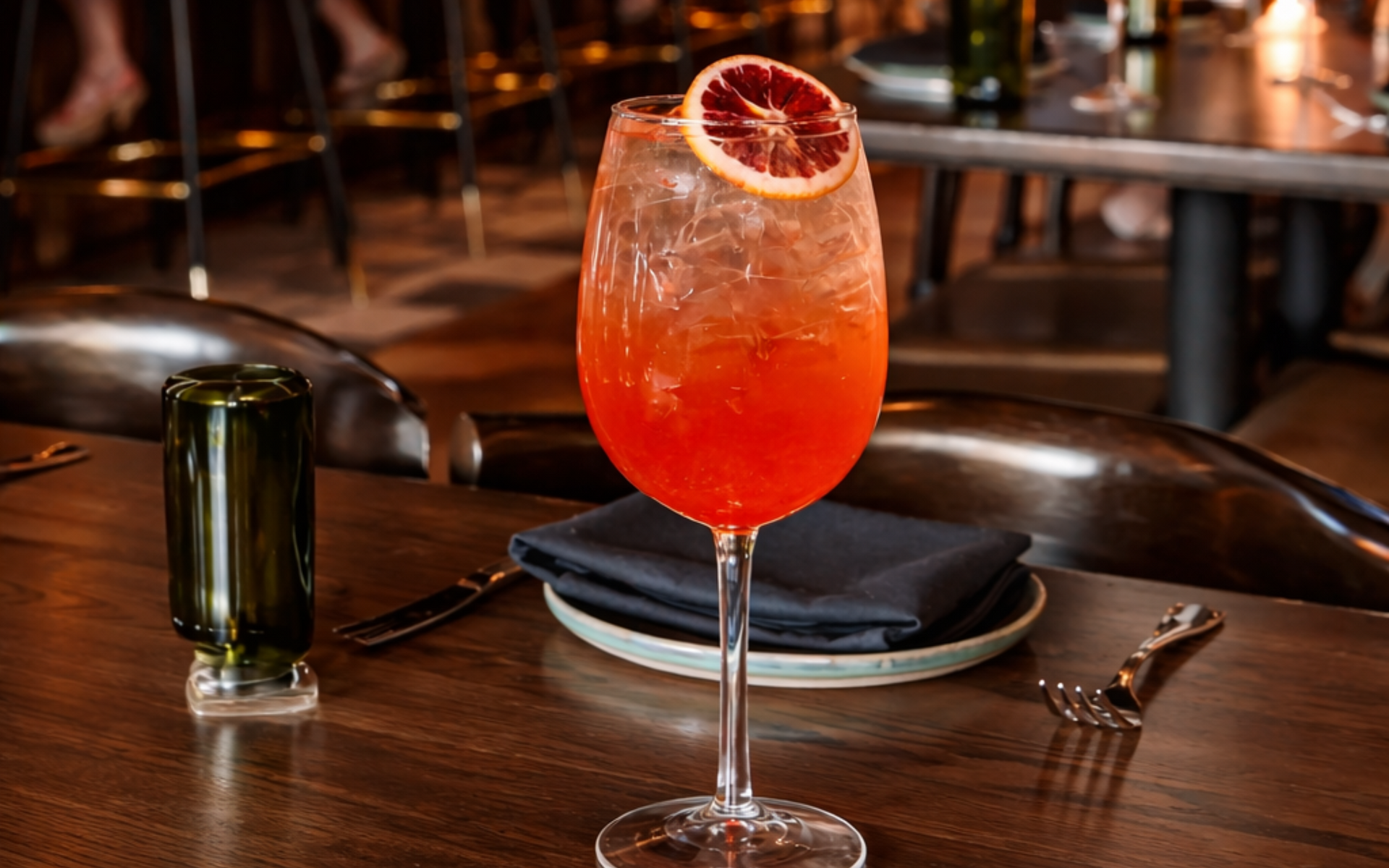
A charcuterie board pairs well with wine or cocktails. Light wines complement softer cheeses, while fuller wines match well with cured meats.
Even without wine, the variety of flavors on the board makes it easy to enjoy alongside any beverage.
Pairing is less about strict rules and more about what tastes good together.
A Local Experience Worth Trying
For those searching for Italian Restaurants near me, finding a place that offers a true charcuterie experience can make all the difference.
A well-prepared board reflects the quality of the kitchen and the care put into each ingredient. It also gives guests a chance to try a variety of flavors in one sitting.
At Gianni & Mac’s Ristorante Piazza Nostra, the charcuterie bar adds something unique to the dining experience. With rotating selections and chef-curated combinations, each visit offers something new.
Final Thoughts
A great charcuterie board is about balance, quality, and presentation. When all of these elements come together, it creates a dish that is simple yet memorable.
Whether you are new to charcuterie or already enjoy it, understanding what goes into a well-crafted board can make the experience even better.
From carefully selected meats and cheeses to thoughtful pairings and presentation, every detail plays a role in bringing the flavors of Italy to life.
FAQs
What is included on a traditional Italian charcuterie board?
A traditional board includes cured meats, cheeses, bread, and accompaniments like olives, fruits, and spreads that balance flavor and texture.
Is charcuterie meant to be a full meal or an appetizer?
Charcuterie is typically served as an appetizer, but it can also be enjoyed as a shared meal depending on portion size and variety.