Pizza and Pop Culture: Famous Italian Dishes in Movies & TV
Italian food has a habit of stealing the scene. A plate of spaghetti can turn into one of cinema’s sweetest moments. A tray of baked ziti can say more about a family than a full page of dialogue. Pizza can mark a character’s first taste of freedom, and a box of cannoli can become part of a line people remember for decades.
That is the beauty of Italian food on screen: it rarely feels like a prop. It tells us who is at the table, where they came from, what they value, and whether everyone is getting along. Sometimes the meal is romantic. Sometimes it is funny. Sometimes it is the calmest part of an otherwise tense story.
Let’s revisit a few famous Italian dishes from movies and television—and why they stay with us long after the credits roll.
Spaghetti in Lady and the Tramp
Few food scenes are as recognizable as the shared plate of spaghetti in Disney’s Lady and the Tramp. Two dogs meet in the middle of the same noodle, accompanied by meatballs, candlelight, and a restaurant owner who understands that dinner can become an occasion.
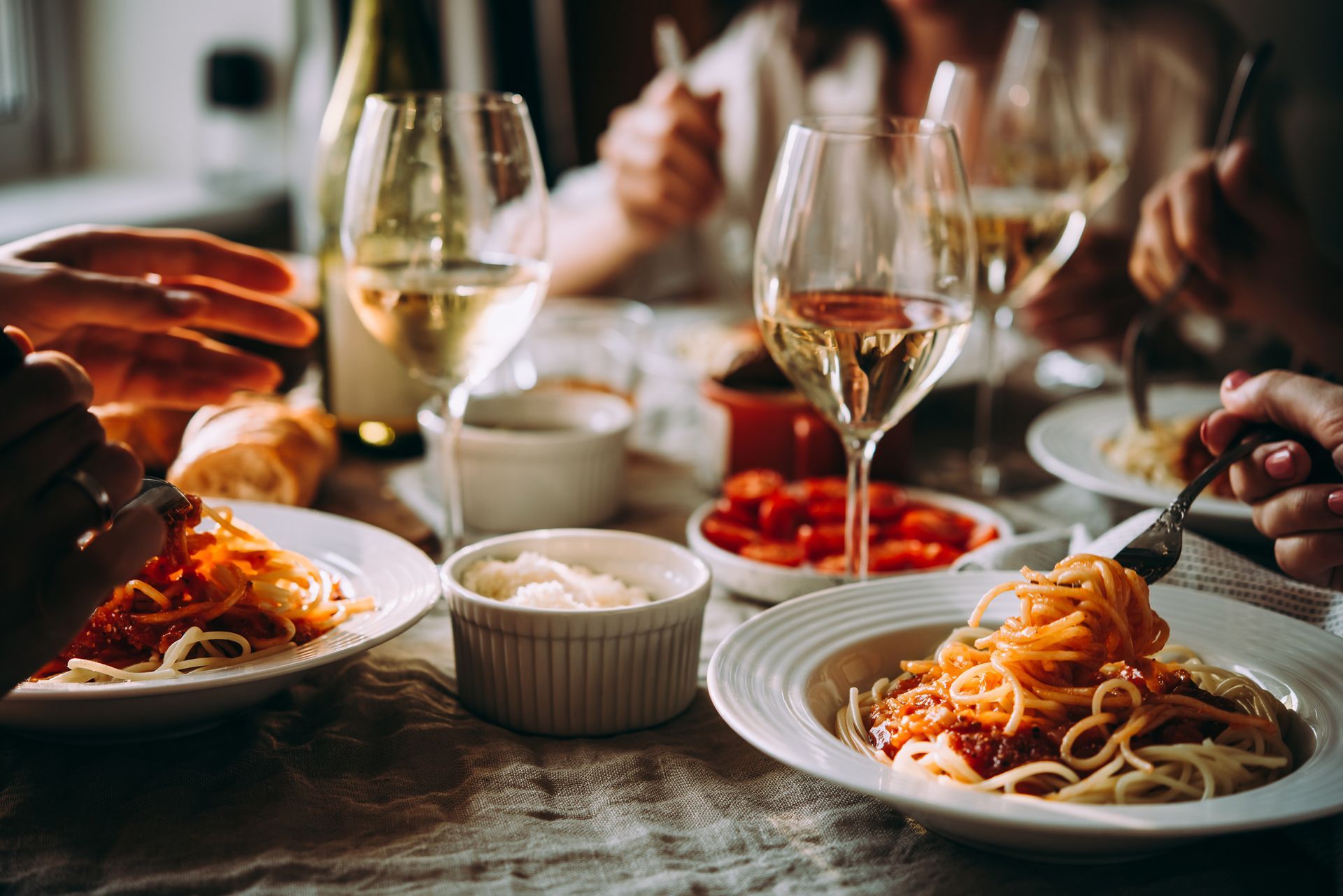
The scene works because spaghetti is familiar and a little messy. It is not a formal dish meant to keep everyone at a distance. It invites twirling, sharing, and leaning across the table. That warmth is part of why pasta remains such a natural choice for date night.
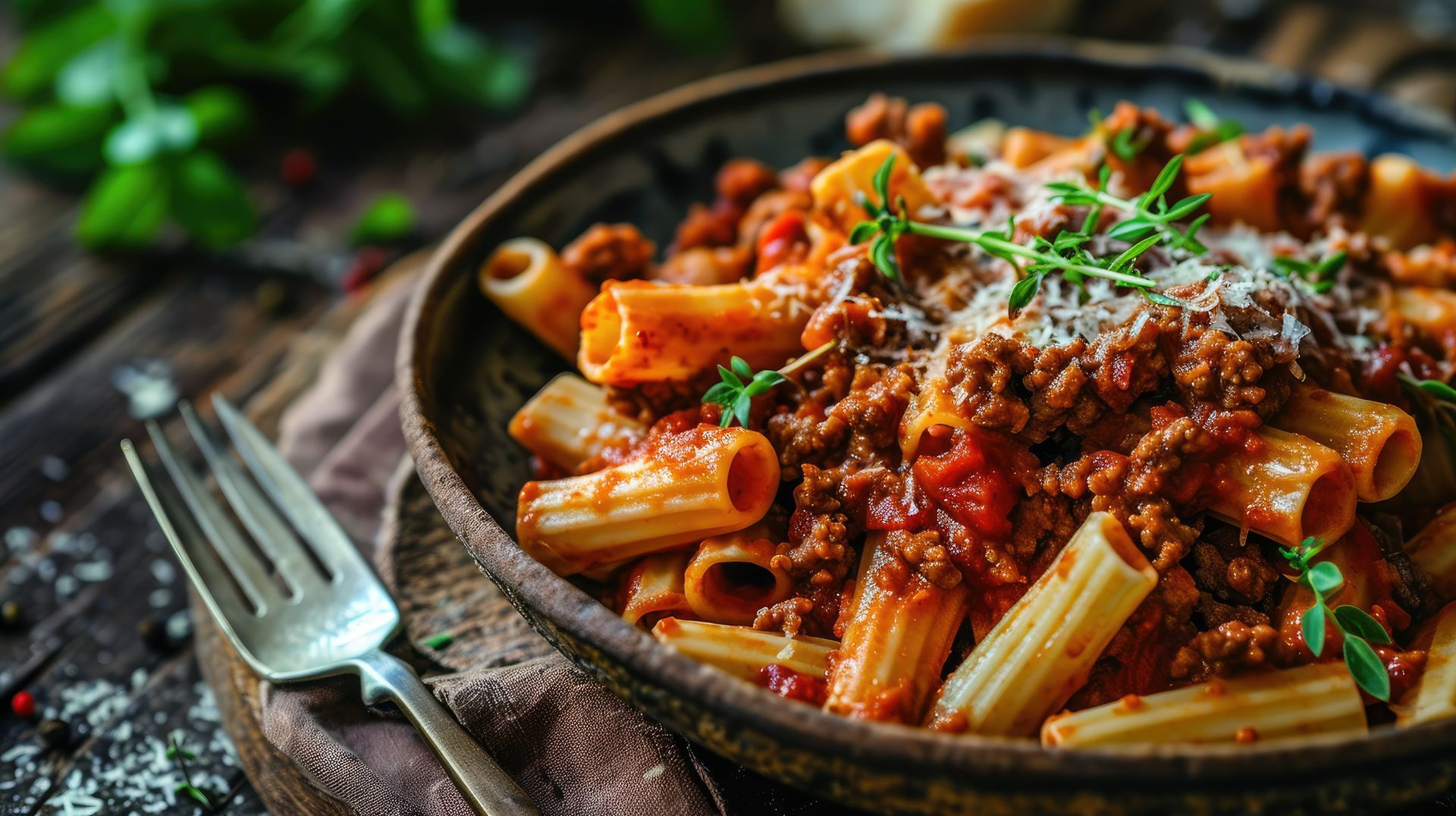
At Gianni & Mac’s, dishes such as pappardelle Bolognese, penne vodka, and tableside cacio e pepe carry that same sense of comfort while giving dinner its own personality. The current
Italian dinner menu offers plenty of reasons to split an appetizer, compare pasta orders, and stay for one more course.
Pizza in Eat Pray Love
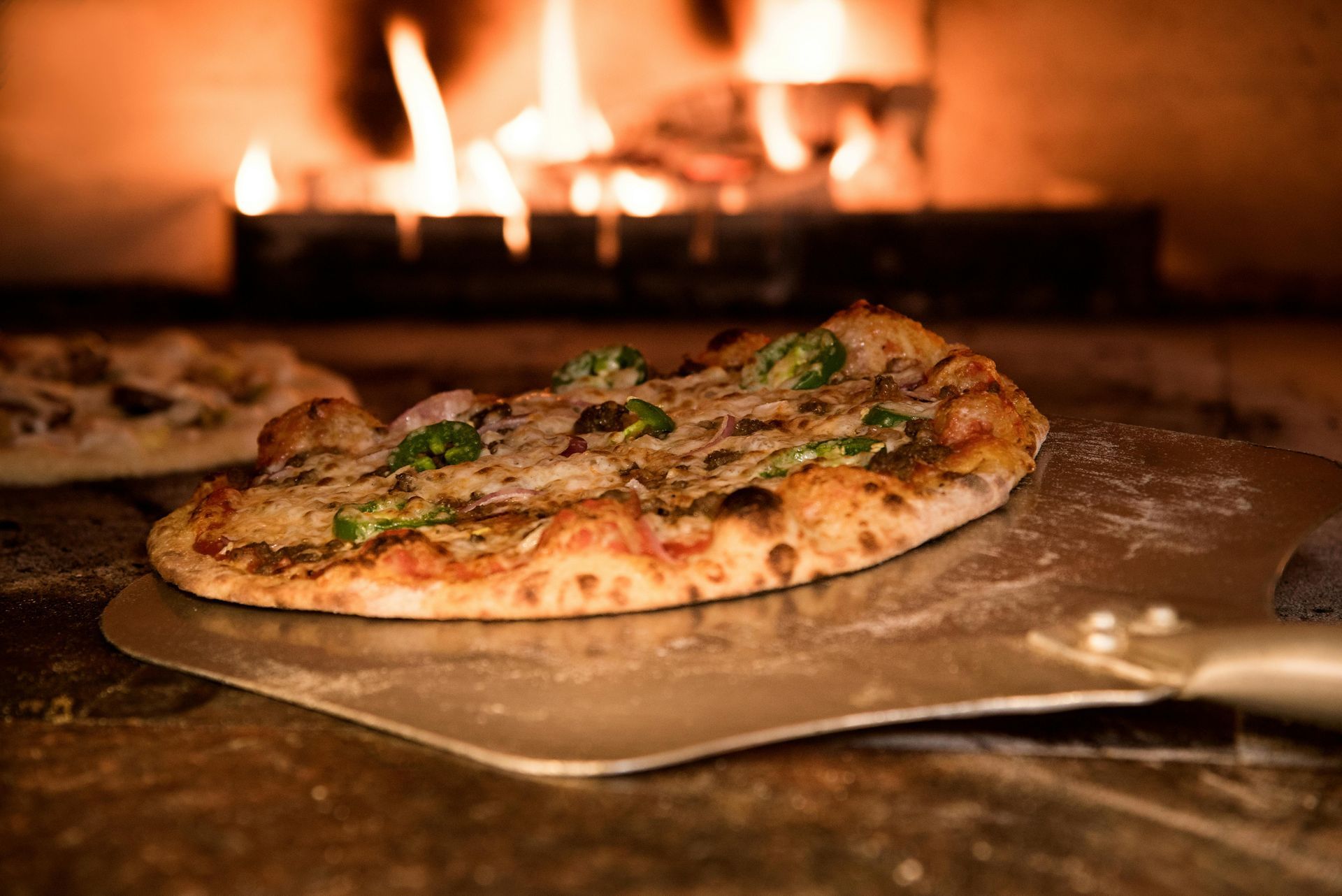
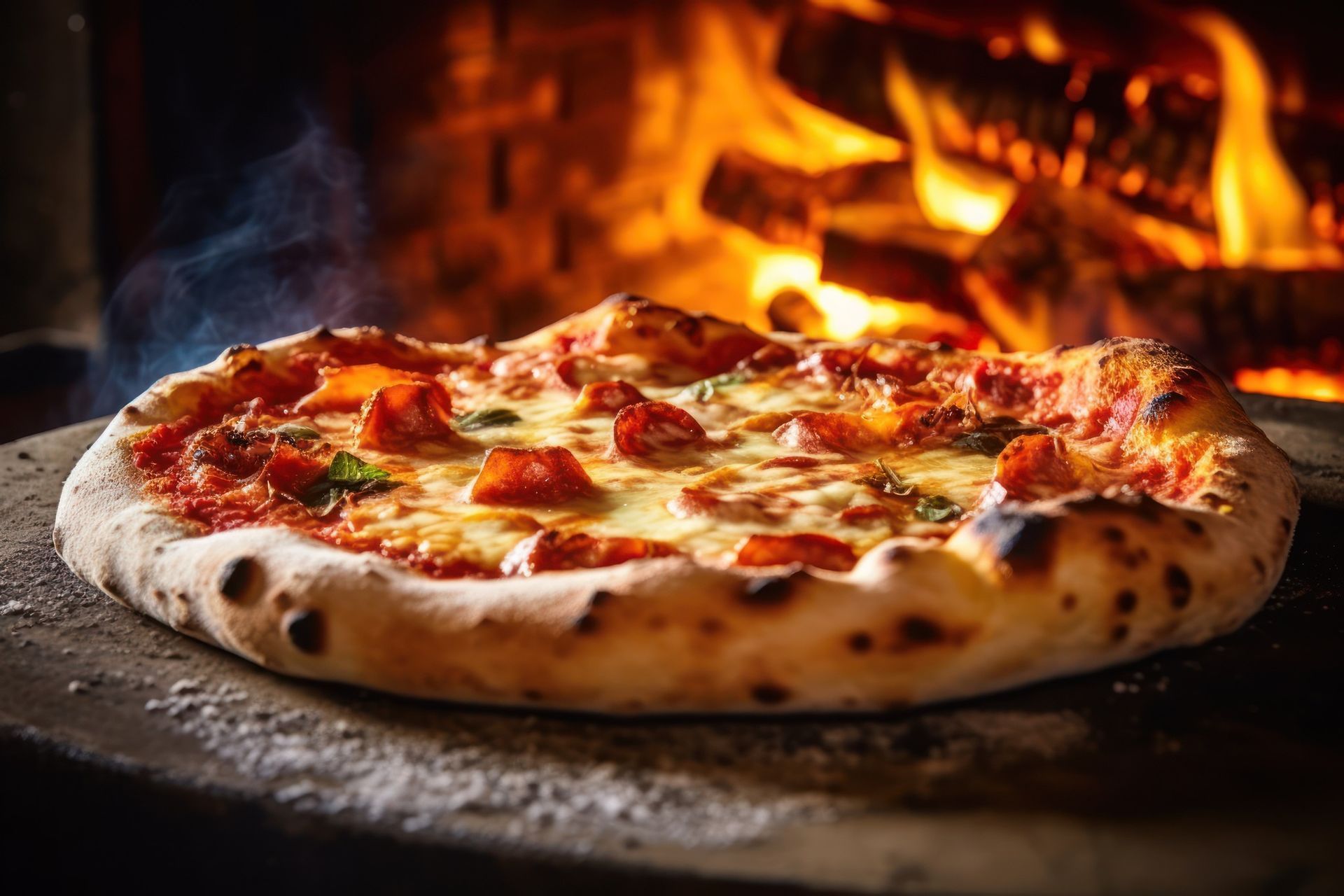
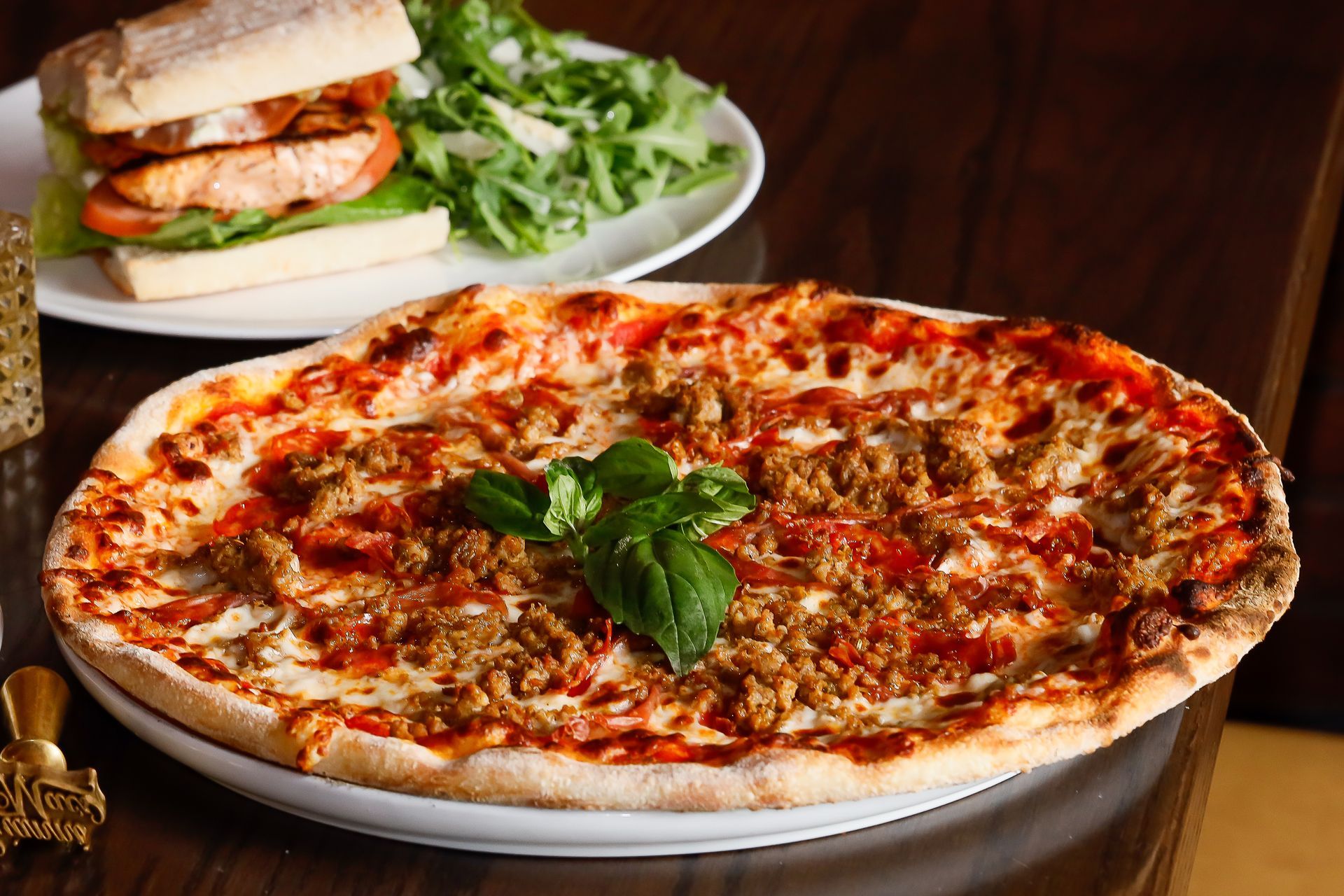
In Eat Pray Love, pizza represents more than lunch. The Naples scene is about letting go of unnecessary guilt and enjoying something simply because it is good. The pizza is thin, blistered, and uncomplicated—the kind of meal that does not need a speech before the first bite.
Movie pizza often appears in a cardboard box, eaten in a hurry. This scene slows it down. It reminds viewers that pizza can be both casual and carefully made. Dough, heat, tomatoes, cheese, and timing all matter.
That balance is also what makes
wood-fired pizza in Marietta worth sitting down for. A Margherita keeps things classic, while choices such as Diavola, prosciutto and arugula, or tartufo show how much variety can come from the same foundation.
The Prison Sauce in Goodfellas
Goodfellas turns cooking into a ritual. In one of the film’s best-known food scenes, dinner is prepared inside prison with garlic sliced extraordinarily thin, tomato sauce simmering, meat browning, and everyone assigned a job. The circumstances are unusual, but the behavior is recognizable: people create a kitchen wherever they gather.
The scene also understands that sauce takes attention. Everyone has an opinion about the ingredients and when they should go into the pot. That kind of debate happens in real families because recipes carry memory. A grandmother’s Bolognese is not merely a sauce; it is the version against which every other version will be measured.
Gianni & Mac’s serves pappardelle Bolognese made from a grandmother’s recipe, a fitting reminder that many beloved Italian dishes begin with a family method passed from one cook to another.
Baked Ziti and Sunday Dinner in The Sopranos
Food runs through nearly every part of The Sopranos. There is capicola from the refrigerator, Sunday gravy on the stove, trays arriving for family gatherings, and baked ziti appearing whenever comfort or obligation is needed.
Baked ziti is especially suited to television family drama. It is generous, portable, and meant to feed several people. A pan can be a welcome gift, an apology, or an attempt to keep a difficult gathering peaceful. The food communicates even when the characters do not.
That is true off screen, too. Italian-American food is closely tied to showing up for people. Bringing a tray to someone’s house says, “You should not have to cook today.” Inviting everyone over for pasta says, “Whatever else is happening, there is a place for you at this table.”
Timpano in Big Night
Big Night gives Italian food one of its great starring roles: timpano, a dramatic baked pasta dish enclosed in a crust and filled with layers of pasta, sauce, cheese, meatballs, eggs, and other ingredients. When it is turned out of the pan, it arrives at the table like a grand centerpiece.
The dish matters because the movie is about the tension between tradition and what customers think Italian food should be. Timpano is ambitious, regional, and deeply personal. It cannot be reduced to the most familiar red-sauce expectations.
That idea still resonates. Italian cooking is not one fixed menu. It changes from north to south and from one town or household to another. Learning about
authentic Italian cuisine makes familiar dishes more interesting because it reveals how much regional history sits behind them.
Cannoli in The Godfather
The Godfather made cannoli part of one of film’s most repeated lines. We do not need to quote the entire exchange to remember the point: even during serious business, someone thought to bring home dessert.
That small detail is part of why the moment works. Cannoli belong to ordinary life—crisp shells, sweet ricotta filling, and a reason to stop at the bakery on the way home. The contrast between the dessert and the surrounding scene made it unforgettable.
Cannoli have since appeared throughout crime dramas, comedies, cooking shows, and family stories. They also remain one of the classic choices on an
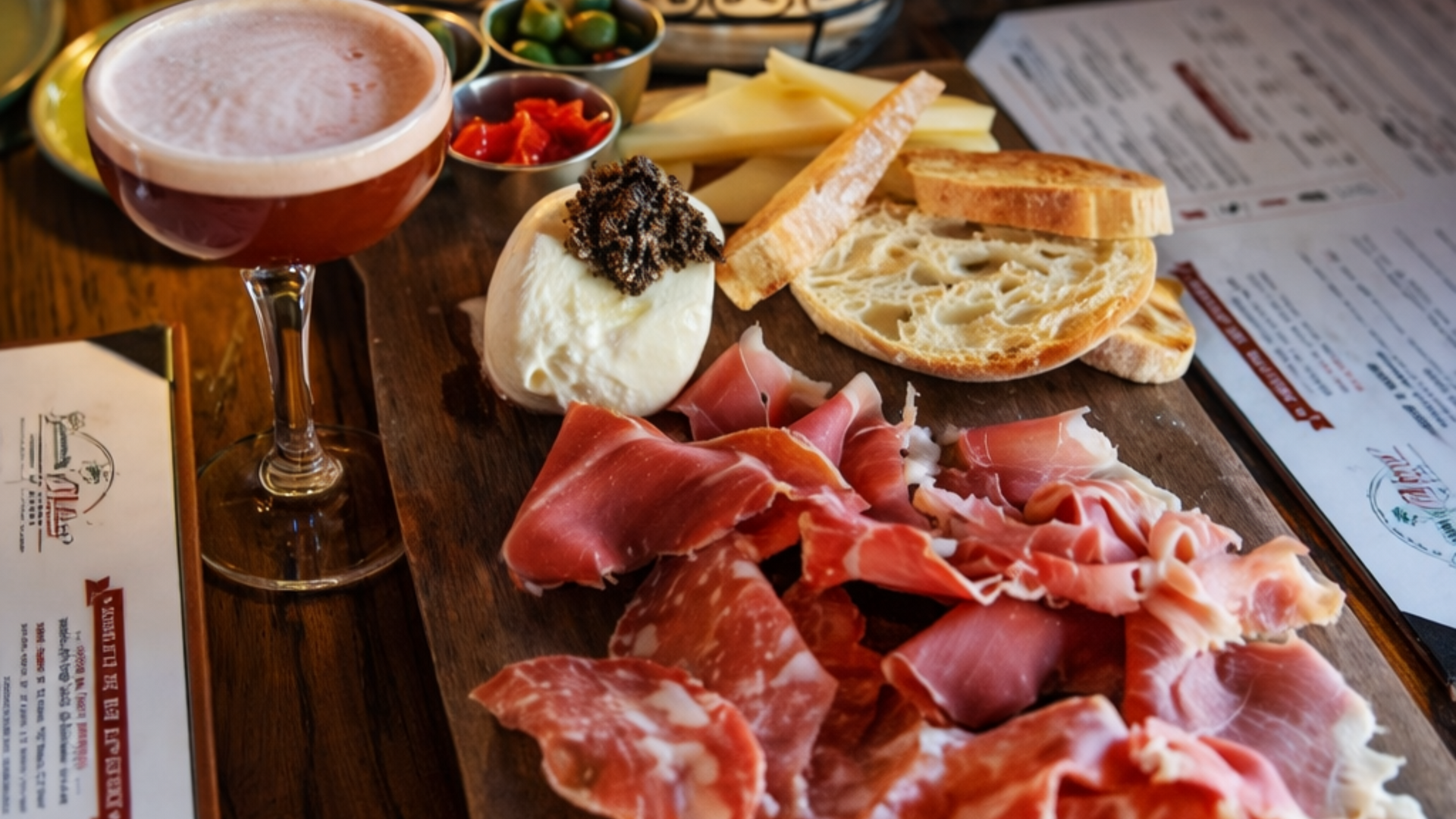
Italian dessert menu, alongside tiramisu, panna cotta, gelato, espresso, and after-dinner drinks.
Trenette al Pesto in Luca
Pixar’s Luca introduced many viewers to trenette al pesto, a Ligurian pasta traditionally associated with basil pesto and often served with potatoes and green beans. The animated meal is bright, green, and eaten with enormous enthusiasm.
The scene is a good example of what pop culture can do for regional food. A dish that may have been unfamiliar to a broad American audience suddenly became something families wanted to cook together. It opened a door to conversations about Liguria, pesto, pasta shapes, and why Italian cuisine changes so much by region.
At Gianni & Mac’s, gnocchi pesto provides another way to enjoy the pairing of pasta and basil-forward sauce. The specific dish may change, but the appeal is the same: a few well-chosen ingredients can make a meal feel complete.
Why Italian Food Works So Well on Screen
Italian meals create movement. Sauce simmers. Pizza dough stretches. Pasta is twirled. Cheese is grated. Platters pass from hand to hand. Those actions give actors something natural to do while a scene unfolds.
More importantly, the food brings people together. A table can hold romance, disagreement, celebration, and reconciliation in the same meal. Viewers recognize the feeling even if their own family recipes come from a different place.
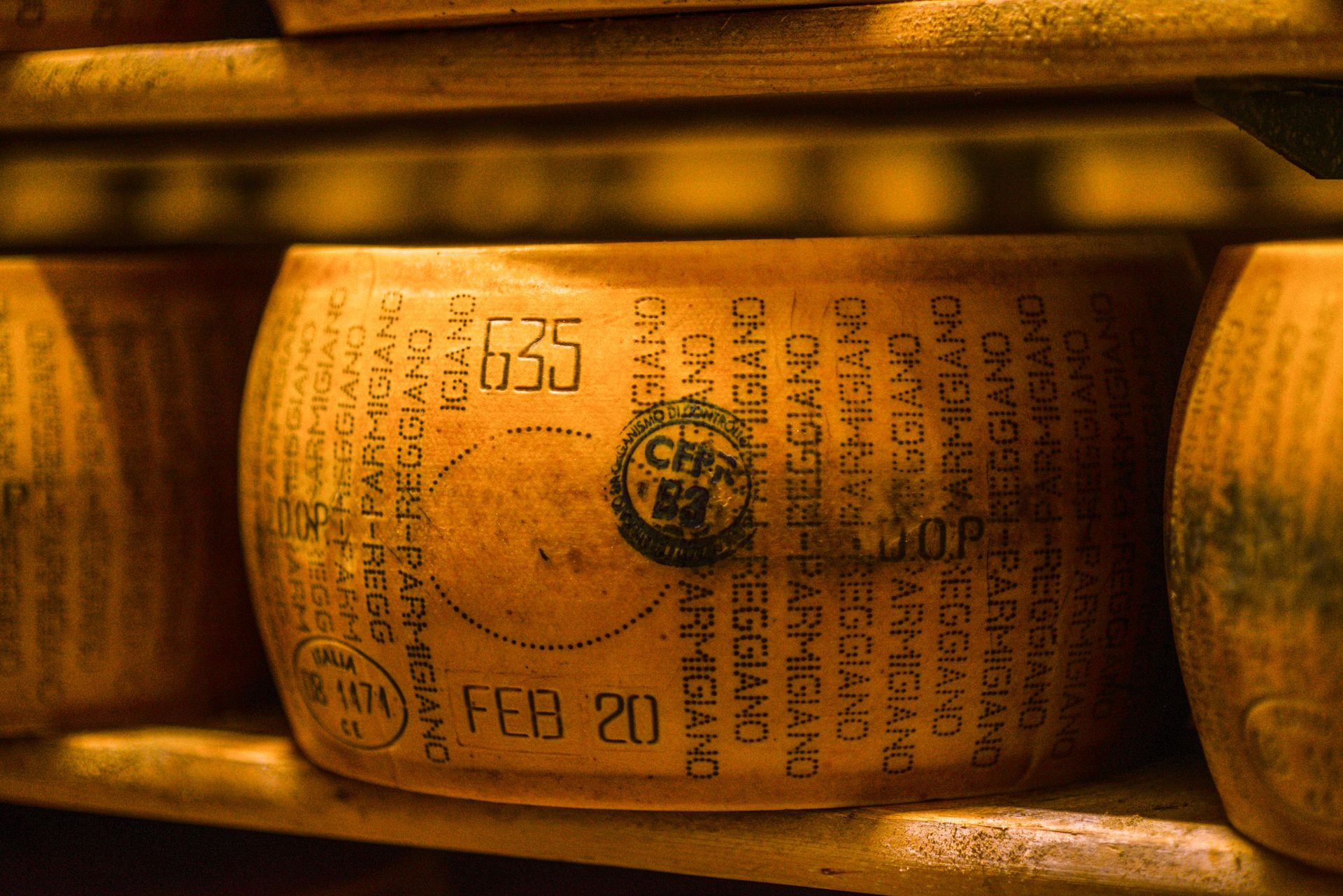
It also helps that Italian dishes are visually distinctive. A bubbling pan of lasagna, a charred pizza crust, a wheel of Parmigiano, and a neat row of cannoli all tell the audience what kind of experience is coming before anyone takes a bite.
Make Dinner Your Own Scene on Marietta Square
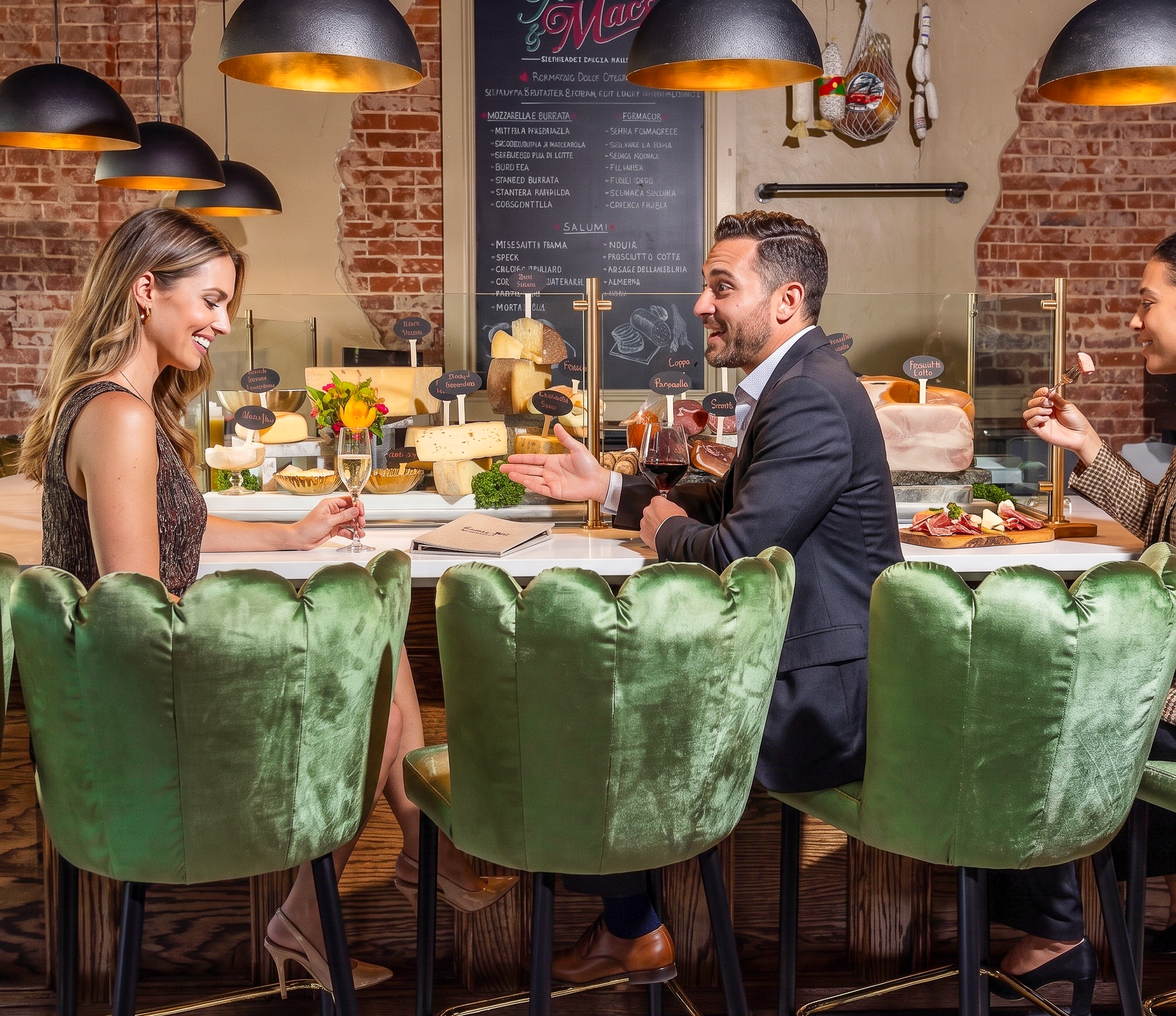
You do not need a film crew to give dinner a little atmosphere. A shared pizza, a bowl of pasta, a plate of cannoli, and good company are enough. Gianni & Mac’s brings those flavors to 85 Church Street in the heart of Marietta Square, with wood-fired pizza, handmade pasta, Italian desserts, cocktails, and a spacious patio.
Browse the menu, choose the dish that reminds you of a favorite scene, and make a reservation for your own night out at
Gianni & Mac’s Ristorante Piazza Nostra. The only difficult part may be deciding whether you want the pasta, the pizza, or both.